Residential septic tank pumping
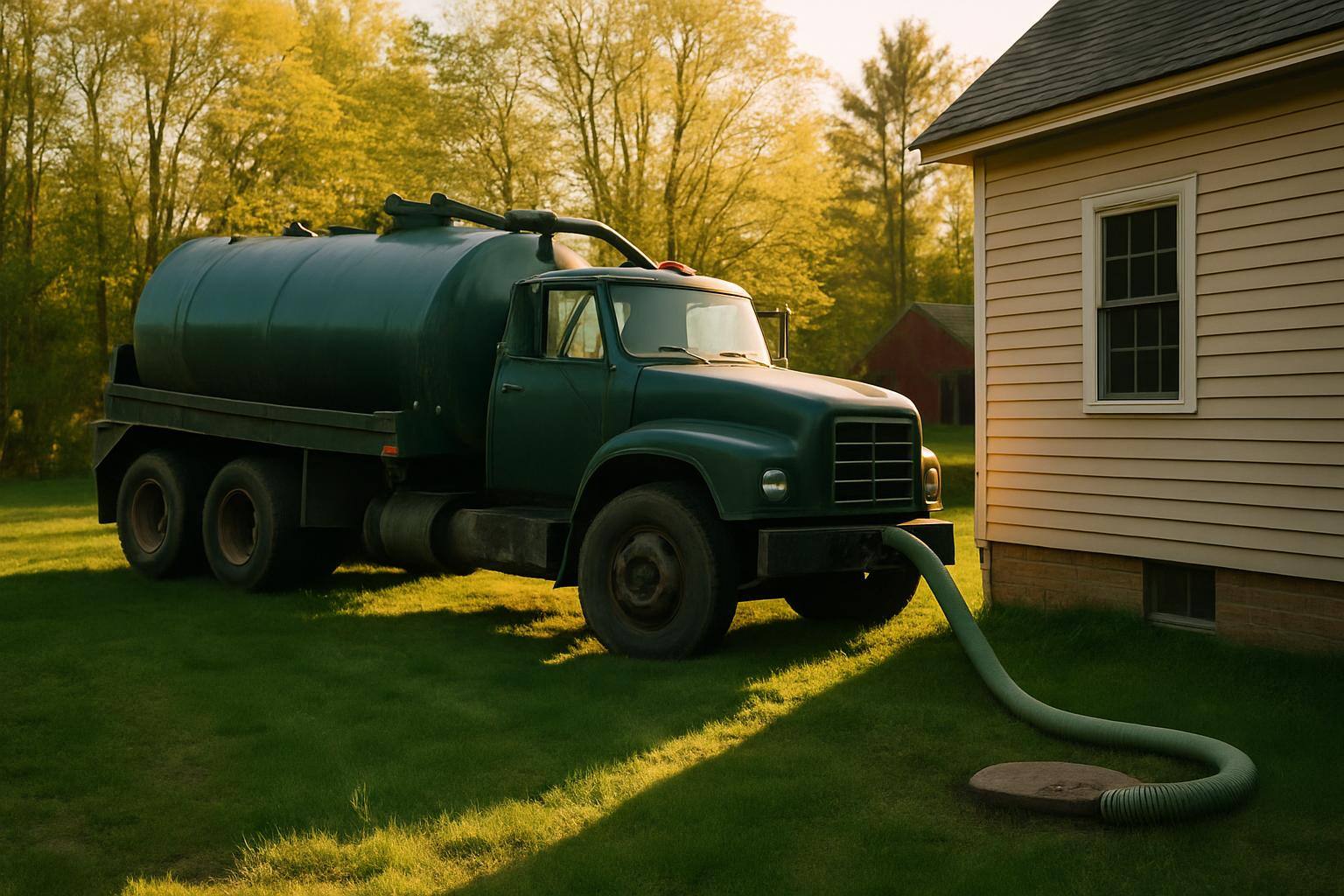
Residential pumping suits Rockland homes where compact lots, older driveways, or buried tank covers require careful access planning.
Septic tank pumping service · Rockland, ME
In the Old Harbor district, a tight driveway beside a coastal home can make septic access the hardest part. One phone conversation gets the tank size, access details, and service plan sorted.
A real person answers · No forms · No waiting on a quote email

Size
Many Rockland homes use the 1000-gallon septic tank tier, but older coastal houses, seasonal properties, and larger Knox County homes may need a different size.
Quote
The exact quote is given on the call, based on tank size, access, distance, material, and the service needed.
Date
The service date is set on the call after the tank location and property access are reviewed.
From the Old Harbor streets to South End homes, Shore Acres properties, and houses near Rockland Harbor, septic work often means working around compact lots, salt exposure, galleries, and older driveways. Tank location, hose reach, winter surface conditions, and nearby pedestrian areas all affect how the service is planned.
Services
Rockland
Rockland has compact coastal homes, older properties near the harbor, seasonal residences, and working commercial spaces. That mix changes how a septic tank service is approached. A narrow driveway, salt-worn surface, buried cover, or activity near galleries and harbor businesses can affect hose routing, equipment position, and the work plan.
Residential pumping suits Rockland homes where compact lots, older driveways, or buried tank covers require careful access planning.
Cleaning removes settled material from the tank and helps identify access problems at Rockland homes near the harbor and South End.
Emergency pumping addresses urgent conditions at Rockland properties, with access and weather reviewed before the service date is set.
Inspection pumping can help reveal tank condition during a Rockland home sale, especially when records or cover locations are unclear.
Commercial pumping supports Rockland galleries, harbor businesses, and other properties where customer activity makes access and staging more sensitive.
Holding tank pumping serves Rockland properties without conventional septic discharge, including seasonal or constrained coastal locations.
Grease trap pumping helps Rockland food service properties manage accumulated grease and material before it restricts the system.
The 1000-gallon tier is a common starting point for Rockland homes, including many established coastal residences. The right recommendation still depends on the tank capacity, household use, seasonal occupancy, and whether the property is residential, commercial, or a holding tank.
For septic tanks with approximately 500 gallons of liquid capacity.
This tier fits a smaller Rockland residence, compact seasonal property, or limited-use system when the tank has approximately 500 gallons of liquid capacity.
For septic tanks with approximately 1000 gallons of liquid capacity.
This is a common fit for established Rockland homes near the harbor or South End when the tank has approximately 1000 gallons of liquid capacity.
For septic tanks with approximately 1500 gallons of liquid capacity.
This tier may suit a larger Rockland home, busy seasonal property, or small commercial setting with approximately 1500 gallons of liquid capacity.
For septic tanks with approximately 2000 gallons of liquid capacity.
This tier fits larger systems serving substantial homes, commercial properties, or holding tanks around Rockland with approximately 2000 gallons of liquid capacity.
Cost
The exact septic tank service quote is given on the call after the operator reviews tank size, service type, access, distance, and material. Rockland's compact harbor lots, salt-worn surfaces, snow, and limited staging can change the work plan and cost.
The tank size affects pumping and cleaning requirements. The installed capacity, not the home's exterior size, determines which Rockland service tier is appropriate.
Distance from the truck position to the tank, driveway width, hose reach, and access through compact Rockland harbor neighborhoods can affect the quote.
The material in the tank, including settled solids, wastewater, or grease, affects handling requirements and the service cost for Rockland properties.
Snow, soft ground, salt-worn pavement, tight turns, overhead obstructions, and activity near galleries or harbor businesses may change equipment placement and labor.
To avoid surprise charges, describe the tank location, access route, capacity, material, and any snow or surface concerns before the quote is prepared. The operator can identify missing details on the call.
What goes in
Residential systems at Rockland homes can include older coastal properties, compact South End lots, and seasonal residences near the harbor. Tank access and capacity should be confirmed.
Commercial systems support Rockland galleries, harbor businesses, and other working properties. A typical load may include wastewater and settled solids from regular customer or staff use.
Holding tanks serve properties where conventional septic discharge is limited. Rockland seasonal homes and constrained coastal lots may require capacity and pumping access to be reviewed carefully.
Not accepted. The service does not cover hazardous chemicals, fuel, paint, construction debris, medical waste, or other materials that do not belong in a septic or holding tank.
Projects
Routine service keeps Rockland residential systems manageable before solids build up, with tank access and the driveway route reviewed in advance.
For a Rockland home sale, pumping can support an inspection when the tank cover, capacity, or prior service history needs clarification.
New owners in South End or other Rockland neighborhoods can arrange service after confirming the installed tank and access route.
Urgent pumping can address an active problem at a Rockland property, while coastal weather, snow, and safe equipment placement are checked.
Seasonal homes near Rockland Harbor benefit from planning around occupancy, winter access, and the condition of the driveway or tank cover.
Rockland galleries, harbor businesses, and other commercial properties need a plan that keeps customer areas, working access, and hose routing in mind.
Holding tank service suits constrained Rockland properties where capacity, use patterns, and reliable access determine the pumping plan.
Find the tank cover, confirm the route from the truck position, and note buried covers, retaining edges, or compact harbor access.
Provide the property location, tank capacity if known, service type, access limits, and any seasonal or commercial site concerns.
The tank is pumped and cleaned according to the selected service, with material and access conditions considered at the property.
Afterward, review the cover location and future access route so snow, vehicles, landscaping, or harbor activity do not block the next service.
Weather
Rockland coastal storms can bring wind, rain, and salt exposure, while winter snow can hide covers and narrow the approach. Frozen or soft ground may limit where equipment sits. The service date and access plan should account for current surface conditions.
Placement
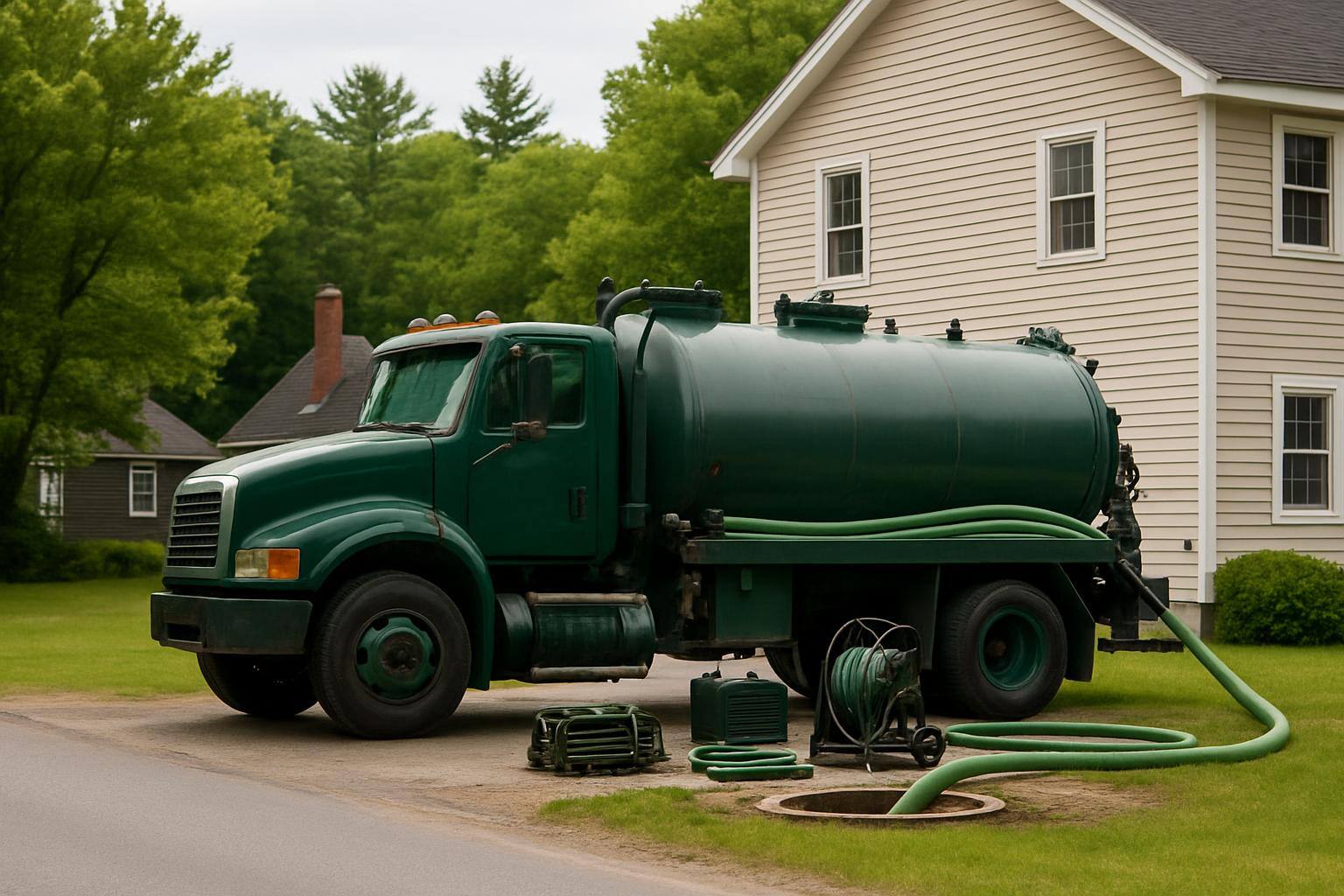
The service truck usually works from a driveway, hard-packed approach, or another stable point close enough for the hose to reach the tank. Compact harbor lots, galleries, sidewalks, retaining edges, overhead lines, snowbanks, and salt-worn pavement can limit placement at Rockland properties.
Permits
Private property usually needs no permit for septic tank service. If equipment, hoses, or a vehicle must occupy a street, alley, boulevard, or sidewalk, approval comes from the City of Rockland. Ask about any applicable fees, approval process, and duration before choosing public placement.
Some Knox County properties have association rules, covenants, or landlord requirements covering driveway use, surface protection, work hours, or visible equipment. Check those rules before arranging service at a managed or rented Rockland property.
The service spot needs a workable approach, enough width for the equipment, overhead clearance, and firm ground that can support the setup. Clear snow and stored items seasonally, and mention pavers, soft shoulders, steep edges, harbor sidewalks, or tight turns before the date is set.
Service covers Rockland neighborhoods and settings including the Old Harbor district, South End, Shore Acres, homes near Rockland Harbor, compact downtown properties, and residential areas along the local coastal corridors. Nearby Knox County properties can be reviewed on the call, including access outside the city when applicable.
Not sure about your street? Ask on the call and we will tell you which office handles it.
Timing
Rockland septic work often becomes busier before winter occupancy changes, during spring opening of seasonal properties, and around summer activity near the harbor and galleries. Coastal storms and snow can also shift access conditions. Planning earlier helps identify the tank cover, driveway route, and surface limits before the property is busy.
Snowbanks can hide tank covers, narrow driveways, and reduce stable staging space around Rockland homes. Share plowing conditions and surface concerns so the access plan fits the property.
Spring thaw can soften ground, while summer brings more occupancy and harbor activity. Seasonal Rockland properties should review tank access before visitors, boats, or gallery work block the route.
Service area
Rockland is part of our Knox County coverage, and we also serve the neighboring communities below.
Why us
Rockland's working harbor, galleries, and dense coastal homes create real access constraints. Tank covers may sit behind tight driveways or near active pedestrian areas, so the service plan starts with the route, surface, and hose reach.
Neon Dumpster Service · Rockland
Salt air, coastal storms, winter snow, and older pavement affect how equipment is positioned around Rockland properties. A clear tank location and honest description of the approach help set a practical service plan before the date is chosen.
Click Here to Call (239) 341-9431FAQs
Still have a question about Rockland? Call (239) 341-9431 and ask a real person.
The exact cost is given on the call after reviewing tank capacity, service type, access, distance, material, and site conditions. A compact Old Harbor driveway, snow-covered approach, or commercial staging limit can change the work plan.
Many Rockland homes start with the 1000-gallon tier, but the actual tank capacity controls the recommendation. Older coastal homes, seasonal properties, larger residences, and holding tanks may use another tier.
Septic tank service is scheduled for the agreed service date rather than a dumpster rental period. If you also need a dumpster rental, the standard rental is seven days, with extensions by the day.
A septic tank is intended for wastewater and normal household waste, not general rubbish. Rockland homes should keep fuel, paint, chemicals, wipes, and construction material out of the system.
Hazardous chemicals, fuel, paint, medical waste, construction debris, and other unsuitable material cannot go in the tank. Grease requires separate handling when a commercial property has a grease trap.
Private property usually needs no permit for septic service. Public placement in a street, alley, boulevard, or sidewalk may require approval from the City of Rockland, so ask about the process, fees, and duration.
Equipment can usually work from a stable driveway or approach close enough for the hose to reach the tank. Width, overhead clearance, turning space, pavement condition, snow, and nearby harbor activity must be reviewed.
The service date is set on the call after tank location, capacity, access, and current conditions are reviewed. Coastal storms, snowbanks, and busy harbor areas may affect the practical scheduling plan.
Winter snow and frozen or soft ground can hide covers, narrow access, and limit equipment placement. Share plowing conditions and surface concerns so the service plan accounts for the property before the date is chosen.
Locate and mark the tank cover, clear the driveway and hose route, move vehicles or stored gear, and identify surface damage or sidewalk limits. Compact harbor lots need extra attention to safe equipment placement.
A real person answers · No forms · Every quote given on the phone